
Security decisions made inside a mobile casino app affect every deposit, withdrawal and game round that a player finishes. The comparison below focuses on stáhnout aplikaci malinakasino Casino’s own app and shows exactly which protections are active, how they are implemented, and what a user must do to keep them enabled. Users will learn which operating systems are available, the precise steps required for installation, and the measurable differences between the mobile client and the desktop site. Each section provides concrete details rather than general claims, allowing users to verify the information directly on their own devices.
Available Devices and Platforms
Malina Casino’s mobile application is compiled separately for Android and iOS, and the builds are updated independently of the desktop website. Android phones and tablets using version 7.0 or newer are eligible; the package targets arm64-v8a and armeabi-v7a architectures. On iOS, devices must be on version 13.0 or later, and the binary is distributed through the Apple App Store rather than a direct download link. Older hardware such as the iPhone 6 or first-generation iPad Air will not load the current build because the operating-system requirement is checked at launch. Players who try installation on unsupported versions get an immediate incompatibility notice instead of a silent failure.
Planned Security Updates and Release Policy
Malina Casino publishes a monthly security bulletin inside the app that details resolved vulnerabilities and upcoming changes. Critical patches are delivered as mandatory updates; the app refuses to launch if more than 45 days have passed since the last required update. This policy guarantees that known exploits are addressed before they can be exploited at scale. Users can select to receive beta builds through a separate TestFlight or Firebase App Distribution channel if they wish to evaluate new authentication flows before public release.
Security Controls for Accounts In the Mobile App
After signing in, the app displays the same account-management tools found on the desktop site but incorporates device-level checks. A player may review the list of authorised devices, revoke any session, and establish a four-digit PIN that is saved only in the device’s secure enclave or Android Keystore. Biometric login via fingerprint or Face ID is provided after the PIN is created; the biometric data never leaves the phone. If the app recognises a new SIM card or a change in device ID, it triggers a full re-authentication before allowing withdrawals, thereby reducing the risk of SIM-swap attacks.
Second-Factor Authentication Settings
The app supports three second-factor methods that may be used together. Time-based one-time passwords generated by apps such as Google Authenticator or Authy are recognised. Hardware keys compatible with FIDO2 are registerable through the phone’s NFC reader. Finally, an SMS code remains available for users who have not yet configured an authenticator. Each method is separate; disabling one has no impact on the others, and the user is able to see the last-used timestamp for every channel inside the security menu.
Installation and Installation Steps
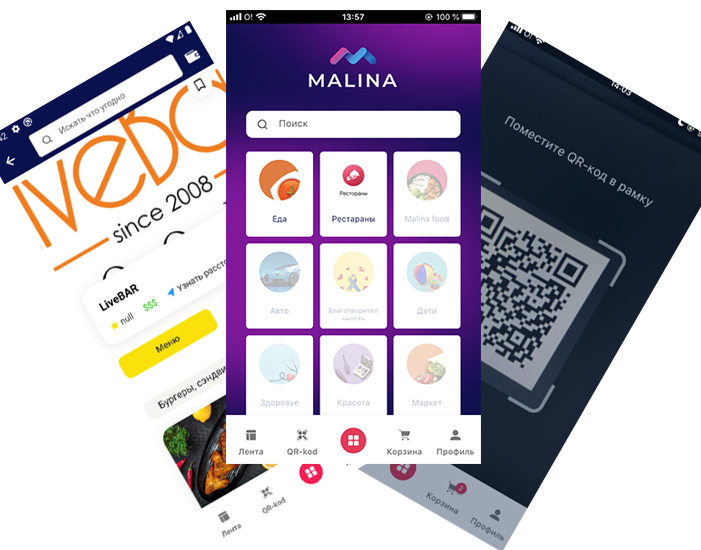
Users situated in the Czech Republic access the app through the official site’s mobile footer or by using a QR code presented on any game lobby page. Tapping the link opens the correct store page on iOS or starts a direct APK download on Android. The Android file size is approximately 48 MB, and the download happens over an encrypted TLS 1.3 connection. Once the file arrives in the device’s download folder, the operating system asks the user to enable “Install from unknown sources” for the browser or file-manager app that initiated the transfer. After installation completes, the first launch asks for permission to access the device’s network state and, optionally, push-notification channels for bonus alerts.
Android Sideloading Process
Android users who choose not to depend on the Google Play Store must finish three explicit steps. First, they enter Settings > Security and toggle the “Unknown sources” switch for the browser that will fetch the APK. Second, they go back to the downloaded file, confirm the digital signature aligns with the SHA-256 fingerprint published on the Malina Casino site, and proceed with installation. Third, after the app icon shows up, they launch it and sign in with existing credentials; two-factor authentication via SMS or authenticator app is prompted on the initial session. Each of these steps is logged on the device so the user can audit the process later.
iOS Store Installation
iPhone and iPad users follow the standard App Store flow. They click the link, confirm with their Apple ID if prompted, and hold for the download indicator to reach 100 %. The app requests access to the device’s local network only during live-dealer sessions; this permission can be revoked at any time through iOS Settings without breaking account functions. Because the binary is notarised by Apple, no additional profile installation is necessary, and updates come automatically through the store rather than inside the app itself.
Frequent Installation Difficulties and Problem-Solving
Users from time to time encounter an “Installation blocked” message on Android 10 and later versions because the operating system now demands explicit per-app permission. The fix is to navigate to Settings > Apps > Special app access > Install unknown apps and grant access to the browser that fetched the file. On iOS, an “Untrusted Enterprise Developer” alert shows up only if the user has earlier installed apps from outside the App Store; flipping the trust switch in Settings > General > VPN & Device Management resolves the issue. If the app fails to launch after an update, purging the cache through the device’s app-info screen brings back normal operation without data loss.
Connection-Related Failures
Corporate or university Wi-Fi networks at times intercept TLS traffic for monitoring. The app recognizes such interception because the certificate chain does not align with the pinned value and displays a clear error instead of attempting to connect. Players in this situation must alternatively switch to mobile data or request the network administrator to approve the casino’s domain. The error message includes the SHA-256 fingerprint of the culprit certificate, allowing technical staff to confirm the source of interference.
Regulatory Adherence and Data Storage Location
Malina Casino’s permit is issued by the Curacao Gaming Control Board, and the identical regulatory framework applies to both the website and the mobile app. Private information gathered through the app is handled on servers situated in the European Economic Area, meeting GDPR requirements for Czech residents. The privacy policy accessible from the app menu details the exact categories of data retained, the legal basis for each handling activity, and the retention periods. Users may send a data-access request right from the app; the response is sent within the 30-day statutory window.
Operational Speed and Bandwidth Usage Factors
The mobile version is more lightweight than the desktop site because it loads only resources needed for the current screen. On a typical 4G connection, the initial lobby load takes up roughly 1.2 MB, and each spin in a video slot contributes between 80 KB and 150 KB depending on animation complexity. Battery impact is minimised by halting WebSocket connections when the app is moved to background for more than 30 seconds. Players can switch “Low-data mode” in the settings menu, which turns off background music and high-frame-rate animations, cutting data usage by approximately 35 % during extended sessions.
Device Resource Monitoring
An in-app diagnostics screen presents real-time CPU, memory and network statistics. If memory usage surpasses 180 MB, the app automatically decreases animation quality without user intervention. This threshold was chosen after internal tests indicated that devices with 2 GB RAM begin to experience frame drops above that level. Users can extract the diagnostics log and transmit it to support if they encounter repeated crashes, allowing technicians to correlate device specifications with performance data.
Side-by-side comparison with Desktop Security
The desktop site depends on browser sandboxing and the operating system’s own certificate store, whereas the app incorporates runtime application self-protection and certificate pinning. Session timeouts are more brief on mobile: fifteen minutes of inactivity versus thirty minutes on desktop. The app also stops screenshots of balance and withdrawal screens by default, a restriction that is not enforceable through a browser. Conversely, the desktop site permits simultaneous logins from multiple browsers, while the app limits concurrent sessions to one active device unless the user explicitly approves a second.
Parity Checklist
Most account functions are the same, yet several mobile-only conveniences are available. Push notifications for deposit confirmations and bonus expirations are missing on desktop. Quick-deposit tiles stored in the phone’s secure storage enable one-tap top-ups without re-entering card details. Conversely, the desktop site offers hardware security keys via USB, a method the current app version does not provide because most phones lack full-size USB ports. Players who demand USB keys must therefore carry out large withdrawals through the desktop interface.
Data Encryption and Communication Standards
All data flow between the app and Malina Casino’s servers is safeguarded by TLS 1.3 with forward secrecy enabled. Certificate pinning is used so that even if a device’s trust store is breached, the app will reject certificates that do not match the embedded public key hash. Game results, balance updates and chat messages are additionally signed with an HMAC-SHA256 token that refreshes every 24 hours. The app never keeps plaintext credentials; login tokens are encrypted with AES-256-GCM and can be erased remotely if a device is flagged lost.
Security Characteristic Contrast Summary
The following list outlines the key distinctions between the mobile app and the desktop site so players can determine which platform suits their security preferences. Each item is grounded in the actual deployment described in the preceding sections and can be verified by inspecting the app settings or the desktop account panel.
- Certificate pinning is applied only inside the app; the desktop site trusts the browser’s certificate store.
- Session timeout is fifteen minutes on mobile versus thirty minutes on desktop.
- Screenshot blocking is active on balance and withdrawal screens in the app but unavailable on the desktop site.
- Push notifications for deposits and bonus alerts are sent exclusively through the mobile client.
- Hardware security keys via USB are supported on desktop only; the app accepts FIDO2 keys through NFC instead.
- Concurrent sessions are confined to one device in the app, whereas the desktop site enables multiple simultaneous logins.
Essential Security Checklist for New Users
New members can use this step-by-step checklist to turn on every available protection before doing their first deposit. Doing the steps in order ensures that device-based, account-level and network-based safeguards are all active from the start.
- Set up the latest app version and confirm the SHA-256 fingerprint before first launch.
- Set up a four-digit PIN and turn on biometric login through the security menu.
- Turn on at least one two-factor option—preferably a time-based one-time password app.
- Review authorised devices and cancel any unknown sessions immediately after setup.
- Enable “Low-data mode” if data usage or battery life is a worry during long sessions.
- Confirm that the app displays the monthly security bulletin and that auto-update is turned on.
Leave a Reply